
Your toddler’s sleep issue might just come down to this

Based on your quiz results, mama…
Their internal sleep clock isn’t fully in sync — so their body just doesn’t know when it’s time to wind down.
It’s not that they don’t want to sleep… their body just isn’t getting the clear, consistent cues it needs.
That’s why bedtime turns into a battle, falling asleep takes forever, and they’re wide awake at 4:45 AM like it’s morning already.
It all starts with mixed signals — and toddlers need way more clarity than we think.

“I’m not tired yet… why are we doing bedtime?”
“I don’t get it… is it morning or still nighttime?”
“Every night feels different. I don’t know what to expect.”
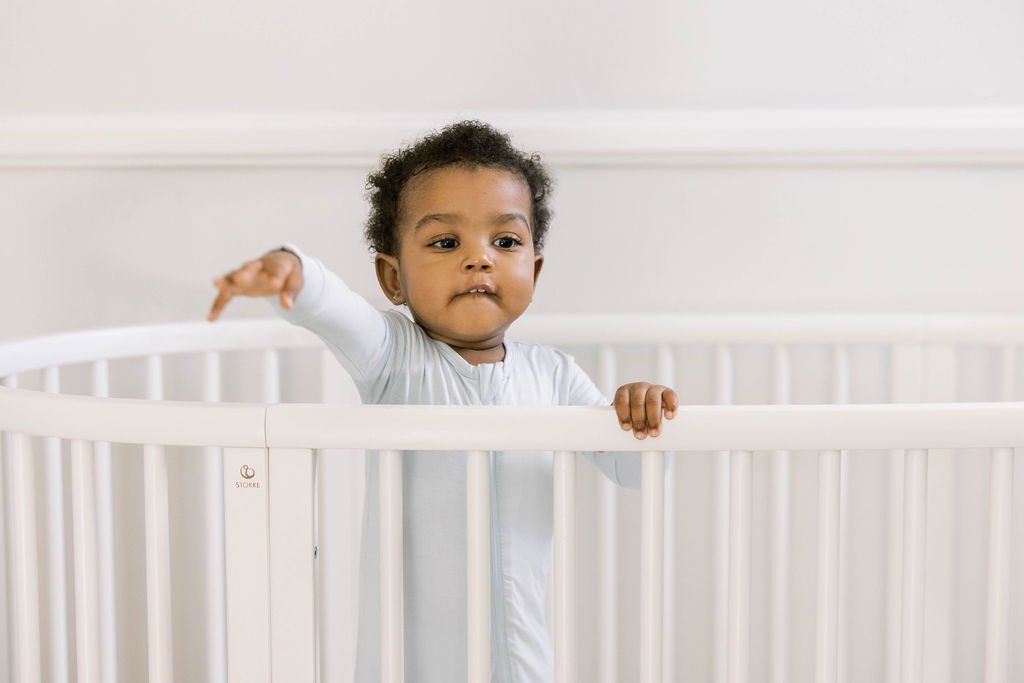

Their body’s out of sync with the clock on the wall, so what feels like “bedtime” to you still feels like “playtime” to them.
And when they wake in the night or early morning, it’s not because they’re trying to mess with you… their system genuinely thinks it’s time to be awake.
That’s why no routine, lullaby, or bribe seems to work.
They’re not resisting sleep… they’re just confused by the signals they’re getting.
But don’t worry, Mama.
Because the truth is…


It’s not your fault…
Thousands of mamas feel like they’re “doing something wrong” when sleep gets hard.
But most were never taught how toddlers actually learn to sleep.
This isn’t about being a “better” mom.
It’s about giving your little one the tools to self-soothe and settle… so that both of you can rest.
You’re not broken. Your toddler’s not broken.
You’re just missing a strategy.


Here’s what you can do about your toddler’s sleep issue tonight:
Try setting up a consistent “wind-down” routine — one that sends your toddler clear sleep signals every night.
Start 30–45 minutes before bedtime. Lower the lights, turn off screens, and keep things calm.
Pick 3–4 calming activities to repeat in the same order every night — like bath, PJs, books, cuddles.
Use a quiet voice and stay consistent with your language: “It’s time to sleep now.”
Avoid stimulating games or new toys that get them hyped up again.
This helps your toddler’s body predict that sleep is coming, so winding down feels natural.
It won’t be perfect overnight… but this is the very first step to syncing their internal sleep clock.

Introducing the Sleepfull Method
Those tips you just learned are one of the first steps in helping your toddler fall asleep without a fight.
But it’s just the beginning.
Inside our signature 14-day sleep program, you’ll learn exactly what to do — night after night — to help your little one sleep longer, more peacefully, and independently.
So you’ll stop second-guessing every wake-up…
And start handling bedtime like you actually know what you’re doing. (Because now you will.)


The Toddler Sleep Course
This course gives you lifetime access to my 18 Months–3 Years Toddler Sleep Training Course, where I walk you step-by-step through proven techniques to help your toddler fall asleep faster, stay asleep longer, and handle bedtime without battles. You’ll learn how to create a consistent routine, set clear boundaries, and support your toddler through common sleep disruptions like regressions, nap transitions, and early morning wake-ups. Feel confident and in control of bedtime with simple, realistic strategies that actually work — even for the most strong-willed toddlers.

explore the course over 16,722+ parents have used to help their little one become a rockstar sleeper
What’s Included:
8 jam-packed, keyword-searchable modules
Our signature 14-day, 3-phase Sleepfull Method of sleep training
Lifetime access to 40 comprehensive lessons you can refer back to at any time
Downloadable worksheets, checklists, and product recommendations
Bonus! Troubleshooting guidance for more than 20 common toddler sleep struggles
Bonus! Access to purchase 1-on-1 email support with Dr. Aubrie
You’ll Learn How To:
Manage bedtime battles and big emotions in a way that feels good.
Support your toddler through learning to sleep independently.
Handle bedtime, night wakings, and early mornings with confidence.
Navigate nap strikes and transition to quiet hour.
Transition away from bed-sharing and pacifiers.
Handle the transition from crib to bed when it’s time.
Tackle milestones, regressions, and bumps along the way.
Positively shift your own big feelings around making changes to sleep.
Sleepfull Success Stories
-
![]()
Amazing work! I totally recommend it! Aubrie guided our family to learn how to move from the kids needing our physical presence to fall asleep (our hand or sleeping in bed with them) to sleeping completely independently. This has been a huge improvement in the physical and mental health for all members of our family.
-
![]()
I bought the Toddler Sleep Training course when my 19-month-old started asking for more and more attention during bedtime, putting her to sleep started to take an hour at least, and she also started to wake up frequently asking for our physical presence to fall back to sleep. I implemented the suggested plan and it was all we needed! She’s sleeping great, putting herself to sleep in less than 20 minutes, and she seems to love the structured bedtime routine. Thank you so much!
-
![]()
Dr. Aubrie is amazing! She made me feel extremely supported and created the perfect plan for my daughter. Sleep training made me very nervous but I’m SO glad I trusted Dr. Aubrie. She knows exactly what she’s doing. We’re 5 days in and my daughter is sleeping all night, putting herself to sleep, and even putting herself back to sleep after short naps! If you’re thinking about it — do it! Dr. Aubrie will prepare and support you!
-
![]()
While I was pregnant with my second daughter, my husband and I were committed to figuring out the best sleep training for our firstborn who would wake up throughout the night with terrible night terrors. Then I found Dr. Aubrie! We used her tips for both of our babies and now have a toddler who sleeps almost 12 hours uninterrupted a night and a newborn who wakes once for a nighttime feeding. Having two content sleeping littles is such an amazing feeling.


conquer tricky toddler sleep with confidence and connectedness
As your little one transitions from baby to toddler, their capabilities and independence evolve along with their sleep needs and behaviors. This can be a challenging time, even for parents of babies who were previously "perfect sleepers"! Our Toddler Sleep Course will walk you through respectfully navigating this new stage step-by-step, from bedtime battles to moving to a big bed — coming out the other side with a rockstar little sleeper!


Phase 1. Prep
Gradually prepare yourself, your space, and your little one to begin sleep training.

Phase 2. Presence
Support your toddler through the process of learning to fall asleep without help.

Phase 3. Leave + Respond
Transition to popping in and out as your child needs less and less support.
tackle toddler transitions with ease
“Dr. Aubrie is wonderful! She knew exactly how to support my family during a big transition in our lives — welcoming a new baby and moving our toddler into a new room and new crib. We were challenged with our toddler waking early and confused about how to transition him into a new room. We questioned if we should put him in a big bed or keep him in the crib. Dr. Aubrie directed us with confident advice that gave our family hope and peace of mind. Her advice worked and now our house is sleeping in past 6 AM Thank you so much!”
Lyndsay H., Jacksonville, FL

Frequently Asked Questions
-
No, this is not a video-based course.
This course is visual-based with text and imagery to guide you through your journey. It is broken up into easy-to-navigate and keyword-searchable modules within the course platform. It includes various downloads that you can easily save to your computer or mobile device for easy reference.
-
Toddlers ages 18 months to 3 years.
The Toddler Sleep Course includes information, guidance, and communication scripts that are developmentally appropriate and comprehensible for children in the toddler phase. This includes children ranging in age between 18 months and 3 years, though, the information could be applicable to older, school-aged children with some customizations to the communication style throughout the sleep learning process.
-
There is no “best” time for your toddler.
Though, I always say that the best time to start sleep training is when YOU are ready. When the parent feels they are ready to be 100% consistent with the program, then that is the best time to start. Some factors that can affect the ease of the sleep training are whether your child has a strong dependency (i.e. always fed or rocked to sleep or bedsharing) and whether you’ve attempted to make changes in the past and then “gave in” (which is not bad, it just means there may be more struggle to get past that first night of a “new” process). Please know that success is still absolutely possible in either of those cases — it just takes confidence and commitment!
-
14 Days or less.
The Sleepfull Method includes a 3-phase, 14-day process that will have your child sleeping through the night in 14 days when followed exactly and with 100% consistency. Parents who follow the plan exactly to a T typically see vast improvements in sleep within just 2-3 nights of the formal sleep training portion, though children learn at different speeds and therefore, it can also take up to the full 14 days. There are also options to speed up the process and customize the program to your needs, should it be relevant to you.
-
It's never too late, you’ve got this!
This course includes our proprietary sleep training process that works for children anywhere between 18 months to 3 years old. It doesn't matter where you are in your sleep journey or the age in that range that you are beginning.
-
This depends, but probably.
Crying is a healthy form of communication for all of us, including our toddlers. Toddlers who are feeling frustrated, exhausted, or even sleep deprived may cry — and that’s okay. A portion of this course dives into helping to manage their big feelings and forcing us to think about our big feelings around crying and why we may feel a certain way when our child is crying or upset. The main takeaway I want parents to know is that emotions and crying are normal and they are ok. The great news is that our ability to remain calm and be their confident leader during times of big feelings and changes can help them co-regulate to feel calmer and cry less, too. The Sleepfull Method is not "cry it out." However, crying can often occur during this process when the sleep situation is changing drastically. The Sleepfull Method uses a gradual process where sleep dependencies (like feeding to sleep and bedsharing) are transitioned to a parent’s presence, and then into a “leave + return” process to support our little ones through learning to fall asleep completely independently. Remember, crying is not inherently bad, crying itself will not harm your child, and sleep training will not harm your attachment with your child. The Sleepfull Method course offers support, responsiveness, and guidance for dealing with tears along the way - so you’ll never feel alone in what to do (and neither will your little one!).
-
I have a 30-day Flexible Refund Policy
If you give the program your best shot and feel it wasn’t successful for you, you can reach back out within 30 days of purchase to get your money back.
-
No. Not if you don’t want to!
There is no pressure to sleep train your toddler if you don’t want to or you’re not comfortable doing so. We never encourage a parent to sleep train who doesn’t want to, because the results won’t be successful and nobody wants to feel frustrated only to end with an undesirable result! Advice for if you’re struggling with sleep but aren’t sure whether sleep training is right for you is to research as much as you can with the questions you have to make the best choice for your family. And remember, you can always change your mind and do it at any point in the future if that’s what you decide.

Helping Parents of Toddlers Pour from a Full Cup
What would you do with your evening if your toddler easily went into their bed awake, stayed in bed all night, and slept the entire night?
How would you feel if you were able to wake up completely refreshed after sleeping the whole night, uninterrupted?
Could you imagine if another trusted caregiver was easily able to put your little one down while you got a break to do…whatever you wanted?
How would you spend the extra time in your day if your little one consistently stayed down for 1-2 hours for each nap?
Helping your child learn to sleep independently helps them achieve essential restorative rest, and it allows you more time to do what makes you feel like you. Join our parent revolution where we don’t feel guilty for making hard changes to sleep — we reframe our thoughts to understand we’re doing something that benefits the health and wellness of our children, ourselves, and our whole family! YOU and your little one deserve to rest well and feel good.
